The Courage to Own Your Own Life
Kate Kong, MA in Digital Studies '26
Two days ago, I got a phone call from one of my friends from elementary school. We hadn't really talked in a couple of months, but this is the kind of friendship that survives time. I once read somewhere that the friends you make in your earliest years tend to stick around the longest, and I think that's true.
So when her name showed up on my screen, I was happy to hear from her. We caught up for a bit, like how's life, where are you now, can you believe it's been this long. But somewhere in the middle of that, her voice shifted. She got quieter. And then she just said: "I've been really miserable lately. I hate my job. Like, I actually hate it."
Not in the casual, Monday-morning way. She meant it deeply. Every morning she sits down at a desk that feels like it belongs to someone else, staring at tasks that mean nothing to her, going through the motions until the day ends. "I feel like I've been placed inside a life that was never mine," she said. "Like I'm a placeholder."
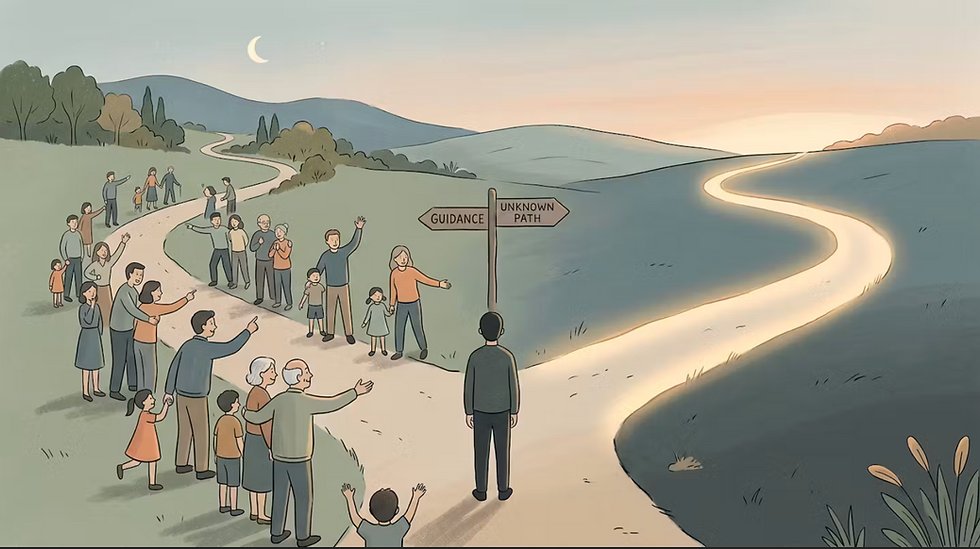
Looking back, every major decision had been quietly shaped by her parents, like the major she studied, the city she moved to, the industry she entered. What made it harder was she couldn't fully blame them for this. It was never forced, exactly. More like a steady current of expectations she just kept swimming with. This is stable. This is practical. This is what a good future looks like. And each time she followed that current, she saw the relief on their faces. For a moment, that felt like happiness. Their approval was warm, and real, and she needed it. But that warmth never lasted past the next morning. By the time she was back at her desk, it was gone.
I had just finished reading The Courage to Be Disliked, a book built around the philosophy of Alfred Adler. One idea stopped me when I read it, and it stopped me again as I listened to her: task separation. The idea is simple but uncomfortable: your parents' anxiety about your future is their task, not yours. It is their need to see you succeed in a specific way, their fear of you choosing wrong, their definition of a good life, which all belong to them. You didn't create that weight. You don't have to carry it.
This isn't about rejecting your parents or dismissing their love. It's about a clear-eyed recognition: understanding their worry doesn't mean you are responsible for resolving it. They may genuinely believe their guidance is right for you. But good intentions don't automatically make someone else's map your road.
So I asked her gently, because I didn't have an answer for her, what her task was. Not what she owed her parents. Not what looked good from the outside. What did she actually want? She went quiet for a moment. Then she said, "I don't know. I haven't thought about that in a long time."
Maybe that's where it starts.


Comments